Deli Turkey: The Handwritten Script Font for Handmade Labels and Invitations
When you are running a handmade business, whether it is selling custom candle labels on Etsy, designing wedding invitations, or creating SVG files for Cricut users, the typography you choose speaks volumes before your customer even reads the text. It sets the tone, defines the brand personality, and often determines whether a product feels premium or amateurish. This is where Deli Turkey becomes an indispensable asset in your creative toolkit. As a beautiful and adaptable handwritten font, Deli Turkey offers the perfect balance of charm and readability, making it suitable for everything from delicate stationery to bold farmhouse signs.
Visual Personality and Creative Appeal
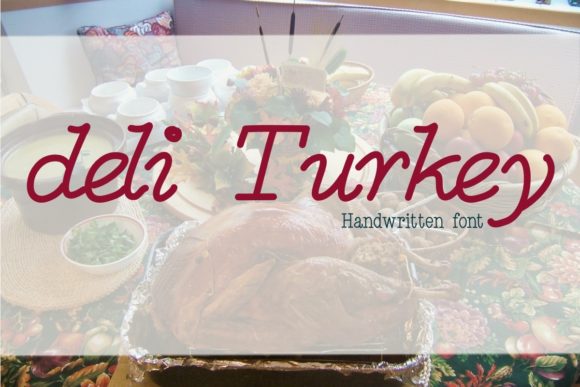
Deli Turkey is not just another generic script; it possesses a distinct visual personality that feels both personal and polished. As a handwritten font, it mimics the natural flow of ink on paper, offering slight irregularities that add character without sacrificing legibility. Its style is warm and inviting, which is crucial for crafters who want their products to feel authentic and made with care. Whether you are working on a rustic bridal shower theme or a modern boutique tag, this typeface adapts seamlessly to various aesthetics.
The font’s versatility lies in its adaptability. It has the potential to enhance any creation, acting as a wonderful asset to your font library regardless of the topic. For small shop owners, having a single premium font that can transition from a playful birthday card to a sophisticated product label saves time and ensures design consistency across different product lines. The letters have a gentle curve and a confident stroke weight that makes them stand out on mockups, drawing the eye immediately to your brand name or key message.
Practical Applications for Crafters and Sellers
One of the most common questions I hear from fellow creators is, "Where does this font actually work best?" The answer is almost everywhere, provided you use it correctly. Deli Turkey shines in short phrases, names, titles, and decorative wording. Here is how it performs in real-world product scenarios:
- Product Labels and Stickers: For candle jars, soap bars, or jam tins, Deli Turkey provides an elegant focal point. Its handwritten nature adds a touch of artisanal quality that consumers associate with high-value, small-batch goods. When used on circular or oval sticker designs, the curves of the letters complement the shape of the label beautifully.
- Invitations and Stationery: In the world of weddings and events, first impressions matter. Using Deli Turkey for guest names, table numbers, or welcome boards creates an immediate sense of warmth. It pairs exceptionally well with floral illustrations or minimalist line art, allowing the typography to remain the star of the show.
- Wall Art and Digital Printables: If you sell printable wall art on platforms like Etsy, readability is key. While Deli Turkey is expressive, it remains clear enough for home decor pieces. It works wonderfully for motivational quotes, nursery prints, or seasonal greetings like "Happy Holidays" or "Welcome Spring."
- Apparel and Merchandise: For those using cutting machines like Silhouette or Cricut, Deli Turkey translates well to vinyl transfers on tote bags, mugs, and shirts. The letterforms are distinct enough that they do not bleed together when cut, ensuring clean edges on your final physical product.
Readability and Design Best Practices
While Deli Turkey is charming, there are practical considerations to keep in mind to ensure your designs look professional. As a display font, it is best suited for headlines rather than body text. Attempting to write long paragraphs in this script will result in a design that is difficult to read and visually exhausting for the viewer.
For smaller applications, such as tiny ingredient lists on food packaging or fine print on return address stickers, consider scaling the font up slightly or choosing a simpler sans serif alternative for the secondary information. When designing for social media graphics, remember that text needs to be legible at thumbnail size. Test your designs by viewing them on a mobile screen; if the details of the handwriting get lost, simplify the layout or increase the spacing between letters (kerning).
Another tip for commercial success is to check the included styles, alternates, ligatures, and swashes if listed. Many modern script fonts come with special characters that connect letters more smoothly or offer decorative flourishes. Using these features can elevate a simple phrase into a piece of art. For instance, swapping a standard 't' for a connected alternate can make a word like "Turkey" or "Delicious" look much more cohesive and intentional.
Font Pairing Strategies
No font exists in isolation. To create a balanced and harmonious design, you need to pair Deli Turkey with complementary typefaces. A common mistake among beginners is stacking two scripts on top of each other, which creates visual clutter. Instead, follow these proven pairing strategies:
- Script and Sans Serif: This is the safest and most versatile combination. Pair the organic, flowing lines of Deli Turkey with a clean, geometric sans serif font for supporting text. The contrast between the formal structure of the sans serif and the casual elegance of the script creates a modern, trendy look that appeals to a wide audience.
- Script and Simple Serif: For a more classic or literary feel, try pairing Deli Turkey with a traditional serif font. This combination works exceptionally well for book covers, vintage-style packaging, or elegant wedding invitations. The serifs add a touch of authority and tradition that grounds the whimsical nature of the script.
- Script and Bold Display: For impactful posters or sale banners, you might pair Deli Turkey with a heavy, blocky display font. The lightness of the handwritten script against the weight of the bold font creates dynamic tension that grabs attention.
Technical Details and Licensing
Before purchasing any digital asset, it is essential to review the technical specifications. Ensure that Deli Turkey supports the languages you need, checking for multilingual support if you plan to sell internationally. Verify the file formats included—typically OTF and TTF are standard, but some creators prefer WOFF for web design projects.
Perhaps the most critical aspect for any seller is understanding the licensing terms. Most commercial fonts allow you to use them in physical products you sell, such as printed cards, stickers, and apparel. However, restrictions often apply to digital resale. You generally cannot resell the font file itself, nor can you include it in a template pack that allows customers to extract and reuse the font independently. Always read the end-user license agreement (EULA) carefully. If you are creating client work, such as logo design or brand identity packages, confirm whether the license grants exclusive rights or requires an extended commercial license. Proper licensing protects your business from legal issues and ensures that your hard work is protected.
Enhancing Brand Identity
In the crowded marketplace of handmade goods, consistency is your strongest marketing tool. By integrating Deli Turkey into your brand identity, you create a recognizable visual language. When customers see that specific handwritten style on a mug, then on a thank-you note, and again on your Instagram story, it builds trust and familiarity. It signals that your brand is thoughtful, detailed, and dedicated to quality.
Whether you are designing a new line of eco-friendly packaging or updating your existing product tags, investing in a high-quality creative font like Deli Turkey pays off. It elevates the perceived value of your items, allowing you to command higher prices because the presentation matches the craftsmanship inside. Take the time to experiment with layouts, play with color combinations, and explore how this adaptable handwritten font can transform your next project into something truly special.